A Complete Guide to Little Italy in Boston: History, Food & Things to Do
Boston’s North End, affectionately known as Little Italy, is one of the oldest and most vibrant neighborhoods in America. This historic enclave has been the heart of Italian-American culture in Boston for over a century, offering visitors an authentic taste of Italy without needing a passport.
From cobblestone streets lined with trattorias to centuries-old churches and bakeries, Little Italy Boston MA delivers an unforgettable experience steeped in tradition and flavor.
The Origins of
Little Italy in Boston
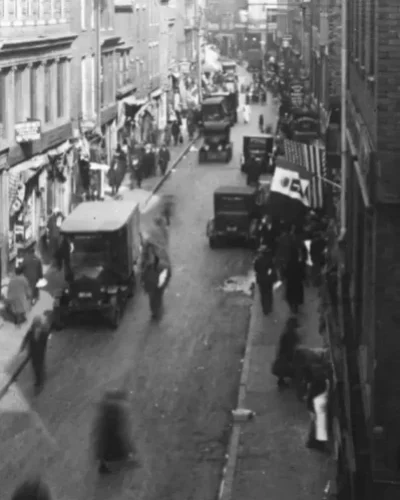
The North End began transforming into Boston’s Little Italy in the late 1800s, when waves of Italian immigrants settled in this corner of the city. What had once been a neighborhood populated by Irish, Jewish, and other immigrant communities gradually evolved into a predominantly Italian enclave.
This transformation shaped both the culture and identity of the neighborhood, establishing a strong sense of community that still defines the North End today.
Immigration Waves That Shaped the Neighborhood
Between 1880 and 1920, large numbers of Italian immigrants, especially from Southern Italy and Sicily, settled in Boston, with many choosing the North End for its inexpensive tenement housing, proximity to the waterfront, and access to laboring jobs. By 1920, Italians and their children made up roughly 90 percent of the North End’s residents, creating the tight-knit community that earned the neighborhood its enduring reputation as Boston’s Little Italy.
Cultural Influences and Traditions
Italian immigrants brought with them deep-rooted cultural traditions: culinary craft, religious customs, family-centered values, and community celebration.
These influences transformed the North End into a living reflection of Italian culture, complete with:
• Outdoor cafés
• Religious processions and feast festivals
• Neighborhood markets
• Generational recipes and businesses
The sounds, scents, and flavors that fill the streets today are direct links to this enduring heritage.
Key Historical Landmarks in Little Italy Boston
Walking through Little Italy is like stepping back in time. The neighborhood is home to some of Boston’s most significant historical sites, blending Italian-American heritage with colonial American history.
The Role of Religious Institutions
Churches played a crucial role in shaping North End life.
• St. Leonard’s Church (1873) — the first Italian Catholic church in New England.
• Sacred Heart Church — a gathering place for traditional masses, community events, and feast day celebrations since 1833.
These institutions offered support, stability, and connection for new immigrant families.
Historic Streets and Buildings
The North End’s winding streets tell stories of both Italian culture and colonial America.
• Hanover Street — the neighborhood’s main artery lined with cafés, shops, and restaurants.
• Paul Revere’s House — Boston’s oldest residential building (1680).
• The Old North Church — where lanterns signaled Paul Revere’s famous midnight ride.
These landmarks highlight the neighborhood’s unique blend of American and immigrant history.
Evolution Through
the Years
Little Italy has undergone significant change over the last century, yet its character remains unmistakable. Understanding how the neighborhood evolved helps visitors appreciate both what has endured and what continues to grow.
Changes in Demographics
While the North End remains synonymous with Italian culture, its demographics have shifted considerably since the mid-20th century. Urban renewal, rising property values, and generational changes have reduced the Italian-American residential population. However, the neighborhood’s Italian identity endures through its businesses, festivals, and the families who have operated establishments here for generations.
Preservation Efforts
Organizations and community leaders have worked for decades to protect the character of Little Italy.
• Zoning regulations safeguard historic architecture
• Cultural groups preserve feast festivals and traditions
• The North End Historical Society documents stories and maintains cultural archives
These efforts keep the neighborhood’s living history visible for future generations.
Modern Little Italy: What to See and Do Today
Today’s Little Italy Boston seamlessly blends old-world charm with contemporary appeal. Whether you’re a history buff, foodie, or simply looking for a memorable Boston experience, the North End delivers.
Contemporary Attractions
Beyond its historical sites, Little Italy offers:
- The Freedom Trail – Several stops pass directly through the North End
- Copp’s Hill Burying Ground – Boston’s second-oldest cemetery with harbor views
- North End Parks – Waterfront green spaces perfect for strolling
- Photo opportunities – Capture iconic Little Italy Boston photos along Hanover Street’s cafe-lined sidewalks and charming side streets
Dining and Culinary Heritage
No visit to Little Italy is complete without indulging in its legendary food scene. The neighborhood boasts over 100 restaurants, bakeries, and cafes within just one square mile. Must-try experiences include:
- Fresh pasta at family-owned trattorias
- Cannoli from iconic bakeries like Mike’s Pastry and Modern Pastry
- Espresso at authentic Italian cafes
- Gelato from artisan shops
- Fresh ingredients from specialty markets and salumerias
For the ultimate experience, consider the North End Boston Food Tour that guides you through the neighborhood’s culinary highlights while sharing stories of the families behind these beloved establishments.
Planning Your Visit to Little Italy Boston MA
Getting the most out of your Little Italy experience requires a bit of planning. Here’s what you need to know:
Dining and Culinary Heritage
Little Italy is located in Boston’s North End, easily accessible by:
- MBTA – Haymarket Station (Orange/Green Lines) is steps away
- Walking – A short stroll from downtown Boston and Faneuil Hall
- Driving – Limited street parking; garages available nearby
The neighborhood is best explored on foot. Use a map of Little Italy Boston to navigate the winding streets, or simply wander and discover hidden gems around every corner.
Best Times to Visit
Little Italy is vibrant year-round, but certain times offer unique experiences:
- Summer – Feast festivals honoring patron saints fill the streets with parades, food vendors, and live music
- Fall – Pleasant weather and fewer crowds
- Holidays – Christmas decorations and special menus create a magical atmosphere
Conclusion
Boston’s Little Italy is a vibrant testament to the resilience and spirit of Italian-American culture. From its immigrant roots to its modern-day charm, the North End offers an experience filled with history, community, and incredible food.
Whether you’re retracing the steps of early settlers, enjoying a handmade dish, or simply soaking in the atmosphere, Little Italy remains one of Boston’s most treasured destinations.
Ready to explore? Join me as I take you inside family-run bakeries, neighborhood institutions, and some of the best Italian food in America.
I’ll show you the real North End the way only a lifelong local can.
Come taste, explore, and learn your way through Boston’s Little Italy on the tour everyone keeps talking about.
Book a tour now and experience the
North End the way locals do.
“I know a guy!“
NORTH END BOSTON FOOD TOUR
Solo, Privates, Couples,
Groups, and Corporate tours.
617-719-9542
Meeting Location:
Tony DeMarco Statue,
191 Hanover St, Boston, MA 02113
Get the latest bites and insider tips. Sign up for our newsletter!
North End Boston Food Tours © 2025, All rights reserved.